Leveraging Healthcare Technology to Enhance Patient Care and Outcomes
In the rapidly evolving landscape of healthcare in 2025, technology plays a crucial role in enhancing patient care and outcomes. From telemedicine to artificial intelligence, these advancements not only improve the efficiency of healthcare delivery but also ensure that patients receive personalized and high-quality care.
Telemedicine: Expanding Access to Healthcare Services
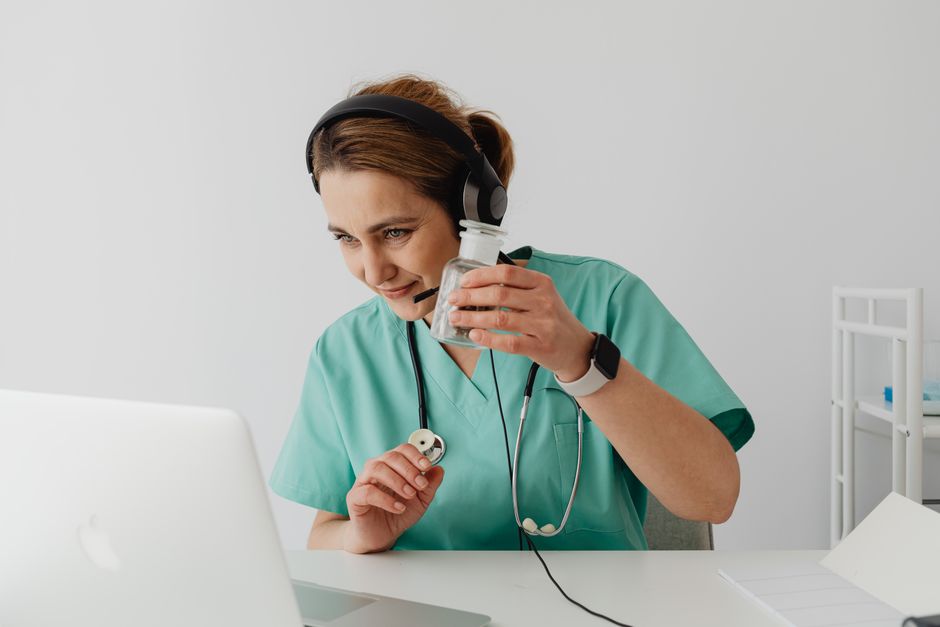
Telemedicine has revolutionized the way healthcare is delivered, making it more accessible and convenient for patients. In 2025, telemedicine platforms have become an integral part of the healthcare system, allowing patients to consult with healthcare providers remotely. This technology is particularly beneficial for those living in rural or underserved areas, reducing the need for travel and wait times.
Key benefits of telemedicine include:
- Increased access to specialists
- Reduced healthcare costs
- Improved patient satisfaction
A study in 2025 found that telemedicine consultations have a patient satisfaction rate of over 90%, highlighting its effectiveness and acceptance among users. Moreover, the integration of wearable devices and mobile health apps has further enhanced the capabilities of telemedicine, enabling real-time monitoring and data collection.
Artificial Intelligence: Personalizing Patient Care
Artificial Intelligence (AI) is transforming healthcare by providing personalized treatment plans and improving diagnostic accuracy. In 2025, AI algorithms can analyze vast amounts of patient data to identify patterns and predict potential health issues before they become critical. This proactive approach not only enhances patient outcomes but also optimizes healthcare resources.
Some key applications of AI in healthcare include:
- Early detection of diseases through predictive analytics
- Personalized treatment recommendations based on genetic data
- Automated administrative tasks to reduce healthcare provider workload
For instance, a hospital in 2025 implemented an AI-driven system for early detection of sepsis, a life-threatening condition. The system reduced the time to diagnosis by 50%, leading to a significant decrease in mortality rates. Such successes underscore the potential of AI to revolutionize patient care.
Electronic Health Records (EHRs): Streamlining Patient Data Management
Electronic Health Records (EHRs) have become the standard for managing patient data in 2025. These digital records provide healthcare providers with comprehensive and up-to-date information, facilitating better decision-making and coordination of care. EHRs also improve patient safety by reducing the risk of medical errors and ensuring that all relevant information is easily accessible.
Key features of modern EHR systems include:
- Integration with other healthcare technologies
- Secure data sharing between providers
- Customizable dashboards for healthcare professionals
In 2025, a survey of healthcare providers revealed that 85% of respondents reported improved patient outcomes and higher satisfaction rates due to the implementation of EHRs. These systems have also streamlined administrative processes, reducing the time and resources required for documentation and billing.
Remote Patient Monitoring: Enhancing Chronic Disease Management
Remote Patient Monitoring (RPM) is a technology that allows healthcare providers to track patients' health data in real-time, even when they are not physically present in a healthcare facility. This is particularly valuable for managing chronic conditions such as diabetes, heart disease, and respiratory illnesses. RPM systems can alert healthcare providers to any changes in a patient's condition, enabling timely interventions and preventing hospitalizations.
Steps to implement effective RPM programs:
- Identify patients who would benefit most from RPM
- Select appropriate monitoring devices and software
- Train healthcare providers and patients on the use of RPM technology
- Establish protocols for data analysis and response to alerts
A case study from 2025 demonstrated that an RPM program for heart failure patients reduced hospital readmissions by 40% and improved overall quality of life. These results highlight the potential of RPM to not only enhance patient outcomes but also reduce healthcare costs.
Conclusion
The integration of healthcare technology in 2025 has significantly transformed the way patient care is delivered and managed. From telemedicine and AI to EHRs and RPM, these innovations are not only improving patient outcomes but also enhancing the efficiency and accessibility of healthcare services. As technology continues to evolve, the future of healthcare looks promising, with even more advanced solutions on the horizon.